

Cookie settings

We use some essential cookies to make this website work.

We’d like to set additional cookies to understand how you use eput.nhs.uk, remember your settings and improve our services.

We also use cookies set by other sites to help us deliver content from their services.

View cookies
You have accepted additional cookies. You can change your cookie settings at any time.
You have rejected additional cookies. You can change your cookie settings at any time.
Skip to main content
Essex Partnership University NHS Foundation Trust logo Essex Partnership University NHS Foundation Trust logo
  • News
  • Events
  • Contact
In crisis?
  • Services
  • Support and guidance
  • Get involved
  • About us
  • Careers
  • Services
  • Support and guidance
  • Get involved
  • About us
  • Careers
  • News
  • Events
  • Contact
  1. Home
  2. Services
  3. Together with Baby (Essex Parent Infant Mental Health Service)

Playing with your baby

Play

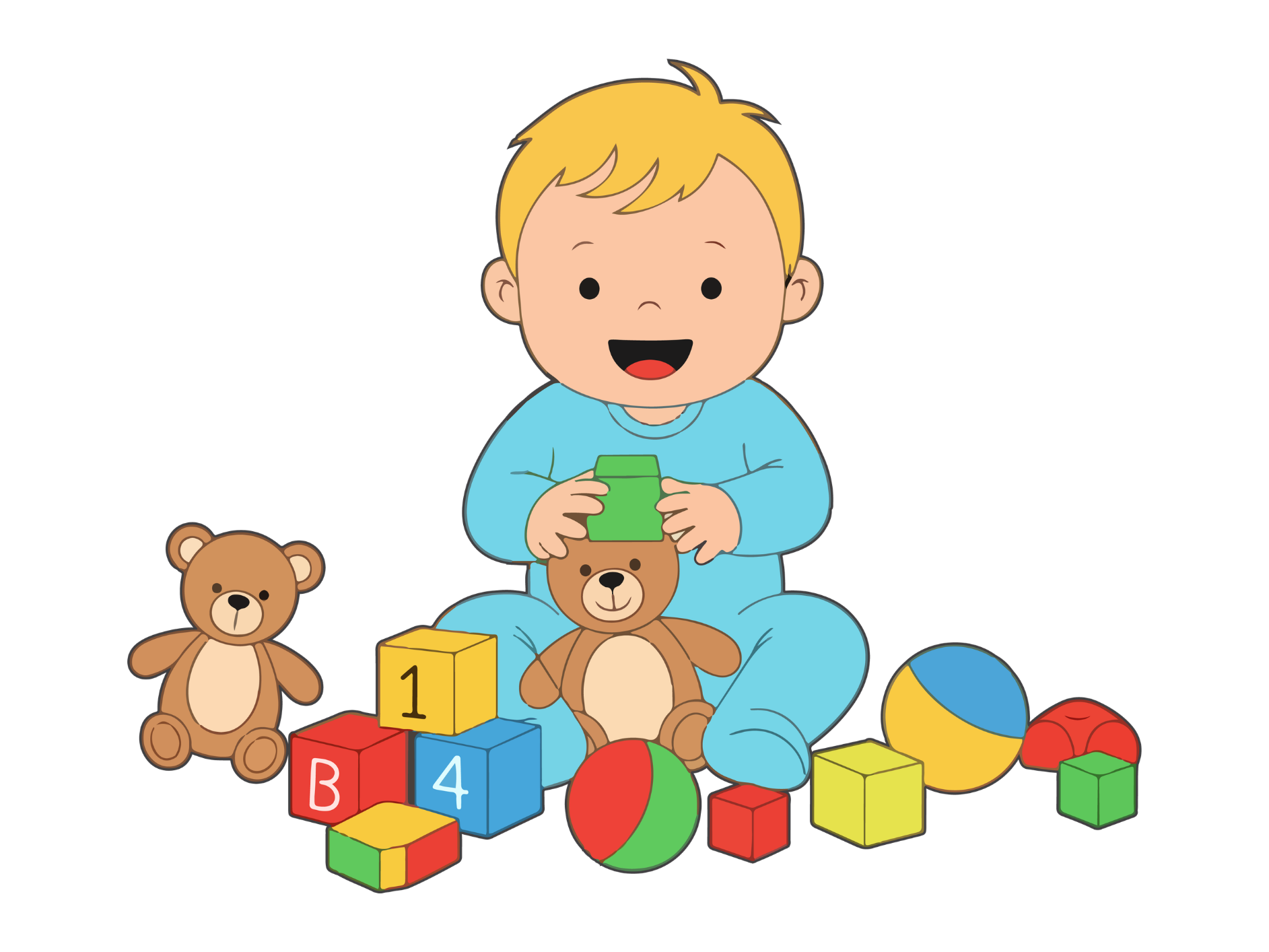
Playing is a useful and effective way to bond with your baby whilst helping them develop motor skills, speech and emotional regulation.

Playing with your child is very beneficial, mentally, physically and socially. 

Children develop social skills and self-control through play, as they take in everything around themselves. The interactions they experience through play teaches them how to behave in social settings. 

Building relationships through play occurs as children express their feelings, thoughts and desires, allowing parents to react and respond. 

are signals that the baby is happy, ready to play, or ready to engage

Examples include moving towards the caregiver, moving their face towards people, smiling, and slow and smooth movements of arms and legs

These are signals that the baby has had enough, is sad, or is stressed

Examples include frowning, grunting, yawning, and attempts to self-soothe (like putting their hands in their mouth).

Taking turns

Infants benefit from turn-taking interactions, especially when it comes to playtime, however it is often confusing on how to engage with them appropriately for their age.

When the infant is between 3 and 6 months repetitive turn-taking behaviour is great for the baby!

From 6 to 9 months some varied turn-taking games will start to take place.

And after 9 months you may find that your baby engages in some turn-taking communication using sound or gestures.

(Appropriate for babies of any age). Involving physical contact and movement, mirroring parent’s movements and copying or reacting to facial expressions, touches and tickles. 

Examples include: Peek-a-boo, being tickled or encouraging movement by playing music, mimicking dance.

(Typically beyond the 6 month mark). Exploring colours, shapes and textures whilst enabling the use of multiple senses with the use of safe objects is beneficial to their development. The use of natural materials and playing outside can be very rewarding. 

Examples include: Playing with random objects, playing on grass/different surfaces or trying different foods. 

(Typically beyond the 6 month mark). Creative play allows babies to express new feelings that they may not know how to deal with. Creative play is important for motor skills too. 

Examples include: role-play, art-based play, story reading/telling.

Useful links

Playtime resources
The importance of play
The importance of play – advice and inspiration for parents
Play and early conversation
Activities for bonding and learning
Types of play

Share this page

In this section

  • Together with Baby-About us
  • Playing with your baby
  • Why is my baby crying
  • Baby’s states of consciousness
  • Understanding my baby’s cues
  • Parents: looking after you and your baby
Essex Partnership University NHS Foundation Trust logo

Follow us

  • Contact
  • Accessibility
  • Privacy
  • Cookies
  • Freedom of Information
  • The Lampard Inquiry
  • Website feedback

Copyright © 2026 Essex Partnership University NHS Foundation Trust

Lovingly crafted by Mixd