

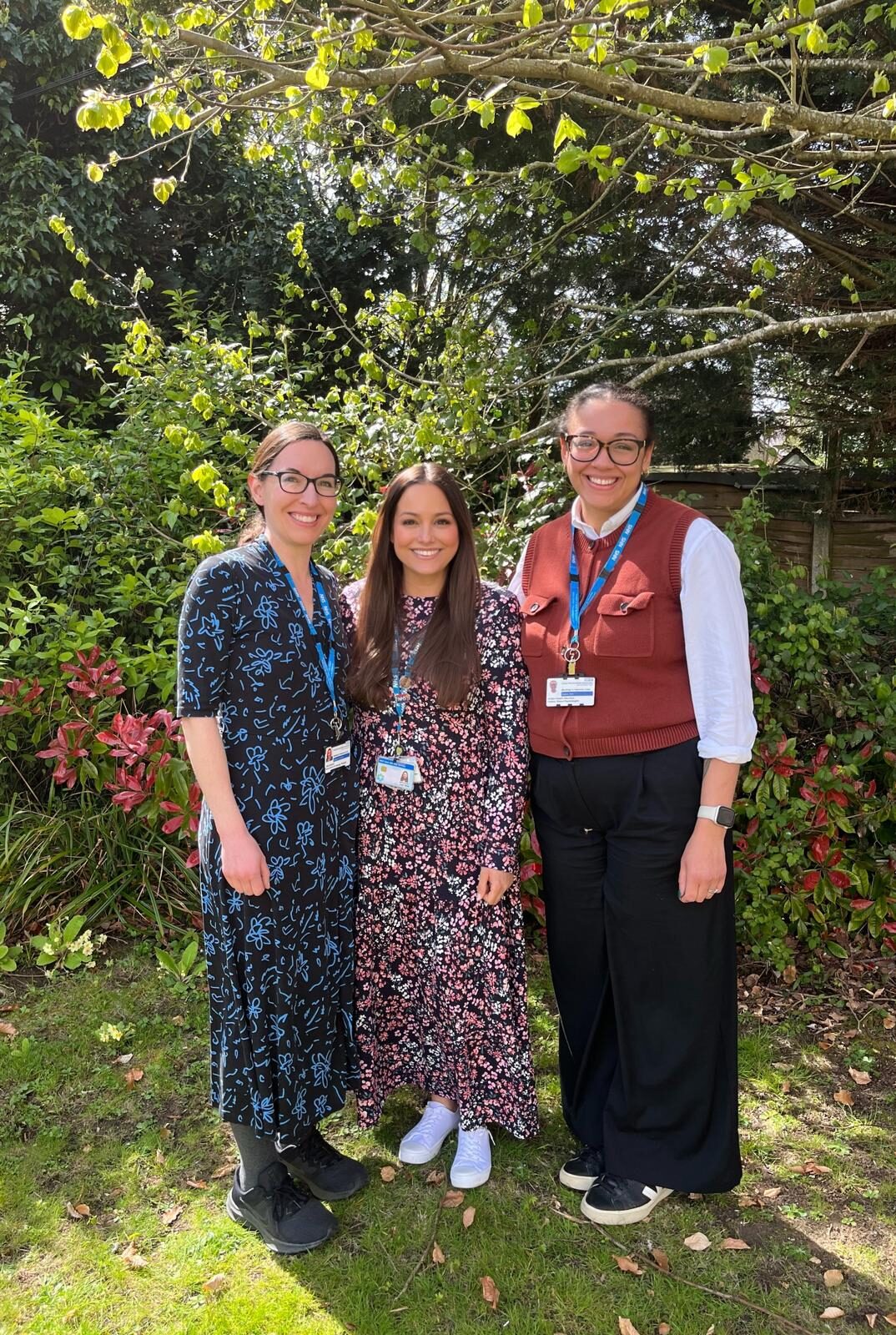
A specialist team is helping 75% of stroke survivors they work with return to work or education.
The Stroke Vocational Rehabilitation Service in west Essex and Hertfordshire is one of a few dedicated services of its kind in the UK.
It helps people who need additional specialist support to either return to employment or education, and those who have already returned but are struggling to manage the cognitive, physical or emotional demands as a result of their stroke.
The team work across Essex Partnership University NHS Foundation Trust (EPUT), Hertfordshire Community NHS Trust and Central London Community Healthcare NHS Trust.
They support around 10 new patients each month and help approximately 75% of those referred to return to work or education.
Claire Wells, Highly Specialist Occupational Therapist, said: “Returning to work after a stroke can be challenging. Our service focuses on individual goals, supporting people to return to work or education in a realistic and sustainable way where possible.”
In the UK, around 100,000 people experience a stroke each year, and one in four are of working age. However, fewer than half of those who were working before their stroke return to employment without specialist support.
Stroke is a leading cause of adult disability in the UK, and many survivors experience invisible challenges such as fatigue, reduced concentration and emotional changes.
The Stroke Vocational Rehabilitation team recommends practical strategies to help people manage how stroke has affected their physical abilities, thinking skills, speech and communication, and energy levels.
This includes helping them practise skills specific to their job role and supporting both the individual and their employer to plan a safe and successful return to work.
Workplace adjustments may include changing working hours, providing information in alternative formats, reducing long commutes, modifying job responsibilities or accessing specialist equipment.
Julia Shores, Highly Specialist Speech and Language Therapist said: “Getting back to work is important for patients not just financially but because it helps with their physical, mental and emotional recovery, their independence, and can be a key part of their identity.”
Patients can attend a weekly online peer support and educational group, offering opportunities to share experiences, advice and encouragement with others in similar situations.
The team also provides emotional and psychological support, particularly for people experiencing anxiety or reduced confidence.
Jordan Hewitt, Trainee Clinical Psychologist, said: “Sometimes life may look different after a stroke, and we support people to adjust their expectations and move forward in a way that feels manageable.”
The team is based at St Margaret’s Hospital in Epping, Harpenden Memorial Hospital, and the Danesbury Neurological Centre in Welwyn. They work closely with therapists and stroke specialists from across the three NHS Trusts.
The service accepts referrals from hospital and community teams, as well as the Stroke Association. Patients can also refer themselves.
Carly Adams, West Essex Stroke and Neuro Therapy Lead at EPUT, said: “We are fortunate to offer this service to people who want to return to work after a stroke.
“I am incredibly proud of our team and the truly person‑centred support they provide.”
Patients consistently highlight the positive impact on their confidence, independence and outlook on life. Some of the feedback received includes:
“Without this service, I wouldn’t have had the confidence to return to work. It’s helped me make constant progress, rather than regressing.”
“Thanks to this service, I can go back to work and live my life.”
“I feared the future. Now I know I can’t change it, but I’m able to cope with it.”
The Stroke Vocational Rehabilitation Service is one of the ways Essex Partnership University NHS Foundation Trust (EPUT) provides seamless access to care closer to home, delivering personalised and inclusive support that helps improve mental health and wellbeing across the communities it serves.
Patients interested in learning more about the service can speak to their rehabilitation therapist or doctor to see if they meet the criteria for referral. Alternatively, they can email [email protected]
May is Stroke Awareness Month, which is organised by the Stroke Association to highlight the devastating impact of stroke and the importance of providing support for stroke survivors and those who care for them.
A stroke can happen to anyone, although factors such as age, existing medical conditions, lifestyle, family history and ethnicity can increase risk. More information about stroke risk factors is available on the Stroke Association website.