

Returning to civilian life after working in the military can be tough for all sorts of reasons, and that’s where the Op COURAGE Veterans Mental Health and Wellbeing Service can help.
This Armed Forces Week (22 – 28 June), the specialist NHS service is highlighting the tailored support it offers to Armed Forces veterans and reservists, from mental health care to help with issues such as employment, housing and finances.
Essex Partnership University NHS Foundation Trust (EPUT) is the lead provider of the Op COURAGE service in the East of England, working in partnership with Norfolk and Suffolk NHS Foundation Trust, St Andrew’s Healthcare, Mental Health Matters, Walking With The Wounded and The Warrior Programme.
Together, they help around 300 people at any one time and receive around 50 referrals every month.
Op COURAGE staff understand military life because they come from a military background, or have experience working with the armed forces community.
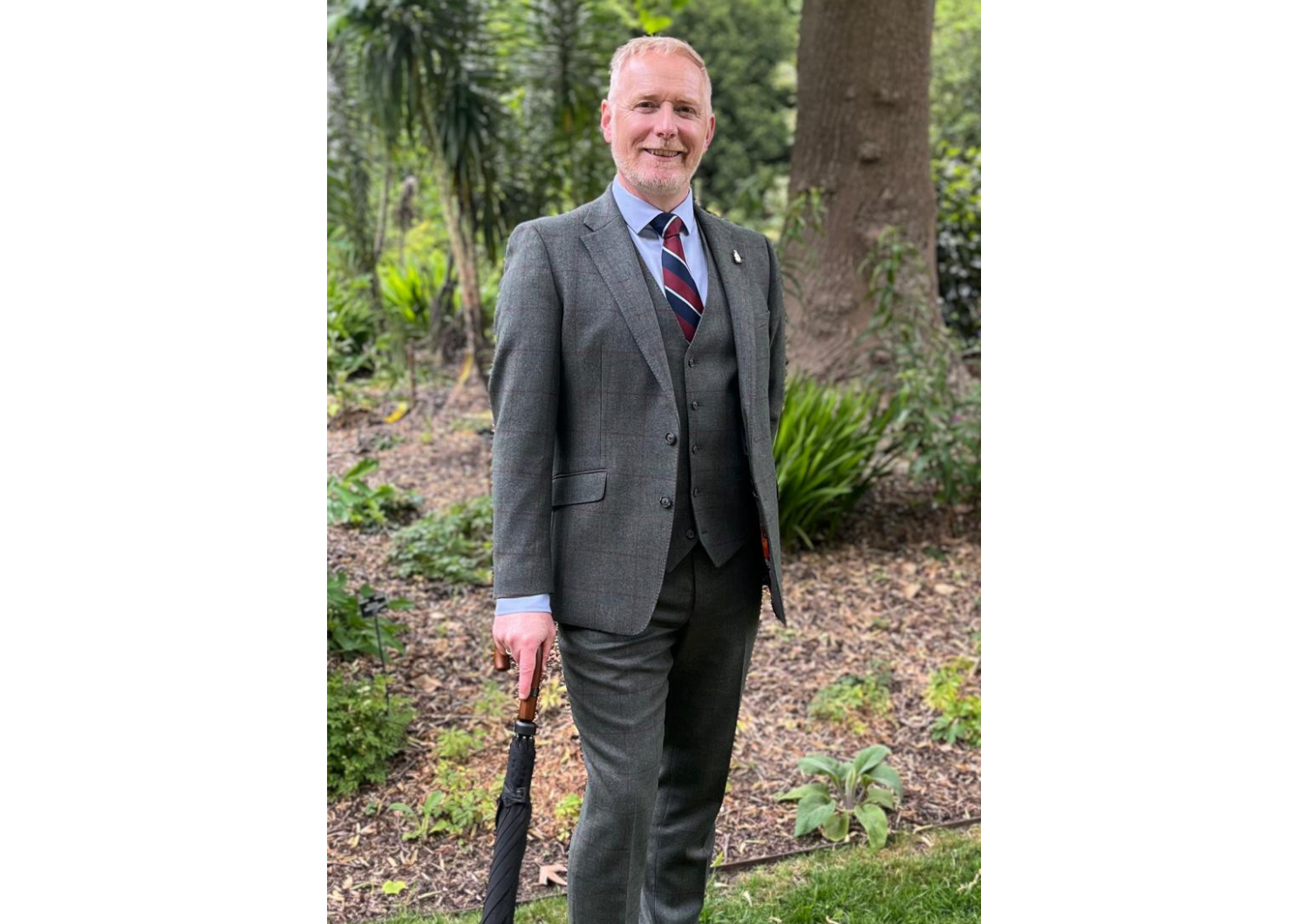
They include Brian Henderson, one of Walking With The Wounded’s Veteran Liaison Support Officers (VLSOs).
Brian served in the Royal Air Force Police between 1986 and 1999 in Germany, Northern Ireland and the UK. He went on to work in the prison service for 23 years, working in a variety of roles up to senior prison officer.
He has been a VLSO for two years and has a pivotal role in assessing what support veterans need and connecting them to the specialists who can help.
Brian, who works with veterans in Norfolk, said: “I think the best term to describe our role is caseworker. We advocate for veterans and we gain their trust, because that’s something that may have stopped them from getting help.
“Our role is to try and find out what’s going on and who we can put them in touch with to give them support.”
VLSOs focus on what the top priorities are for each person and help them spot things that they may not realise they need help with which could be having a wider impact on their health and wellbeing.
In one example, Brian worked with a veteran who was struggling with post traumatic stress disorder, homelessness and social isolation.
Brian got in touch with Help4Heroes and together they helped the veteran successfully apply for council housing. This also enabled him to see his children more often. Brian referred him to the Royal British Legion, The Veterans Charity and the local council, who helped him furnish his home with items such as carpets, a fridge, air fryer, and curtains.
The veteran didn’t have a computer, which made it harder to apply for jobs. So, Brian got him one with help from Computers4Good and helped him access employment support.
The veteran also had broken dentures, which affected his confidence and increased his feelings of isolation. Brian put him in touch with a dental practice, which replaced them, giving him the confidence to get involved in local veteran groups.
Brian said: “The outcomes are so positive and to physically see change – such as to see someone get their own property, have flooring and curtains, and know they’re able to see their children in their own home – is so rewarding.”
The support people need varies and some may only need help for a short time. Something as simple as having a chat or getting them a shopping voucher during times of hardship can make a difference.
Brian said: “We can work quite quickly with them because we’re almost giving them one-to-one support.”
He joins multi-disciplinary team meetings with specialists from across Op COURAGE, where they coordinate care for each veteran, especially for those with more complex needs.
Brian said: “It’s such a positive piece of work that Op COURAGE does and long may it continue.
“For servicemen and women, whether they are leaving the Armed Forces now or finding 20 years down the line after they left that they are struggling, it’s good to know one phone call will get the troops coming to help.”
Veterans, Reservists and their families can access Op COURAGE support directly, or ask their GP or other health professional to refer them to the service
To find out more, visit the Op COURAGE webpage.
About EPUT:
- EPUT has a vision to be the leading health and wellbeing service in the provision of mental health and community care: Who we are – Essex Partnership University NHS Foundation Trust
- EPUT provides services to more than 100,000 patients at any one time and our staff are focused on providing high quality care in often complex situations.
- The organisation has invested in inpatient facilities and community services to make them safer and more therapeutic. We have extensively invested in technology to keep patients safer, enhanced training, and are continuously working with our staff, patients, their families and carers to use learning and best practice to enhance our quality of care.
- While there is more to do, the Trust has made significant progress through innovation:
- Our 111 mental health crisis phone line ensures people in need can access support 24 hours a day, 365 days a year
- People with lived experience have been employed in designated roles across the Trust, ensuring patient voice is heart of the organisation and all that we do.
- A number of new initiatives have been launched, helping people access the support they need when they need it most. These include a mental health urgent care department, By Your Side maternal mental health service, Rough Sleeper team, mental health crisis ambulance cars, virtual wards and neuromodulation service.
- EPUT was formed on 1 April 2017 and provides community health, mental health and learning disability services across Essex, Luton and Bedfordshire and Suffolk. We employ more than 7,200 staff working across more than 200 sites.
- To read more about our priorities and commitments to deliver the highest quality and safest care possible, visit https://eput.nhs.uk/about-us/2023-2028-strategic-plan/