

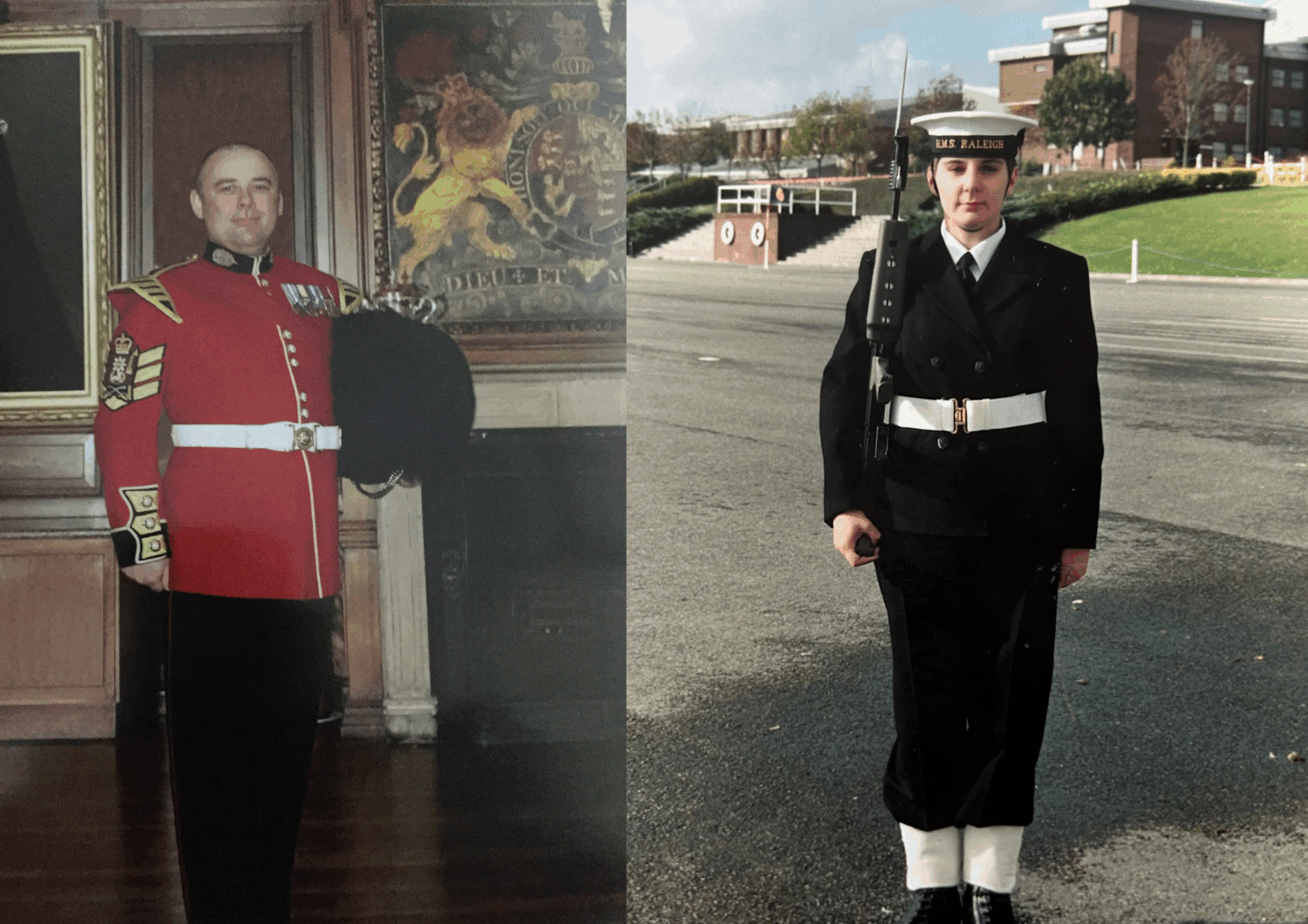
John Marham and Tracey Slater work for Op COURAGE East of England, a specialist mental health service for UK Armed Forces veterans, reservists and service leavers.
Essex Partnership University NHS Foundation Trust (EPUT) delivers the East of England service alongside Norfolk and Suffolk NHS Foundation Trust, St Andrew’s Healthcare, Mental Health Matters, and the military charities The Warrior Programme and Walking With The Wounded.
Everyone who works for Op COURAGE has either a military background, or experience working with the Armed Forces community. It means they have a unique understanding of what it’s like to live and work in the military, and how veterans view the world and themselves.
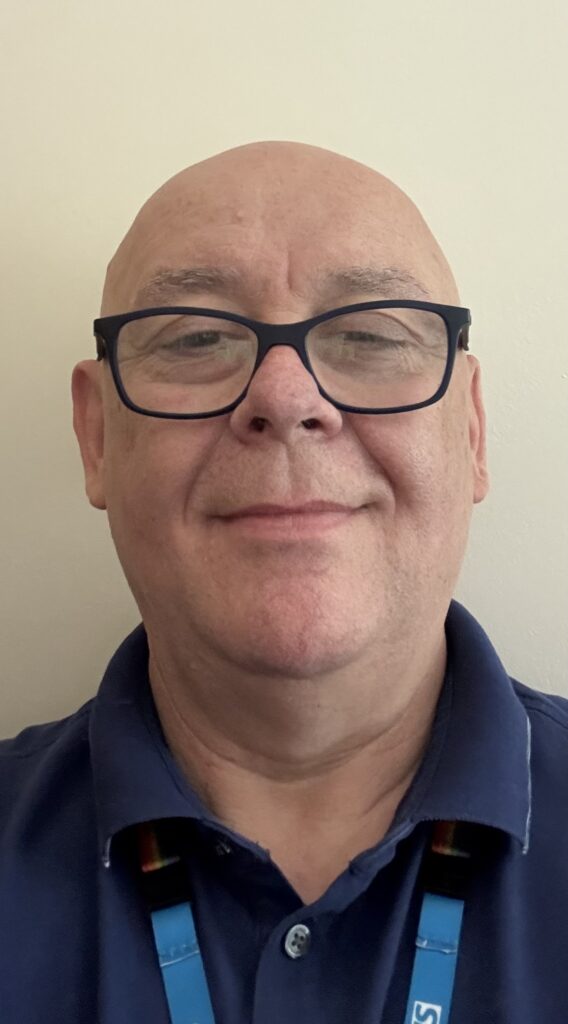
John, who manages the team of 35 staff, served in the Scots Guards for just over 23 years. As a field hospital medic, he treated British troops who were injured during conflicts, as well as taking part in ceremonial duties, such as taking part in the handover parade when the UK transferred Hong Kong to China.
After leaving the Army, he trained as a mental health nurse. He ran an inpatient unit looking after serving military personnel, then worked for charity Combat Stress before joining EPUT to work for Op COURAGE.
John said: “I lost friends whilst I was in the military and I also had friends who have had mental health problems as a direct result of their service.
“It’s just something I do feel passionate about. We have an amazing, empathic and high functioning team who provide an amazing amount of cover across the east of England.”
Around one in 25 people in the UK previously served in the UK Armed Forces, according to 2021 Census data.
Sadly, a veteran dies as a result of suicide every other day in the UK.
Op COURAGE East of England receives around 50 referrals a month. The team provide specialist treatment and work with other NHS services, as well as local and national organisations, to ensure veterans receive the most appropriate care and support for their needs.
John said: “It takes an average of 12 years for post traumatic stress disorder (PTSD) to normally develop. Even though we have been out of Afghanistan for ten years, we are now seeing people from then and Iraq.
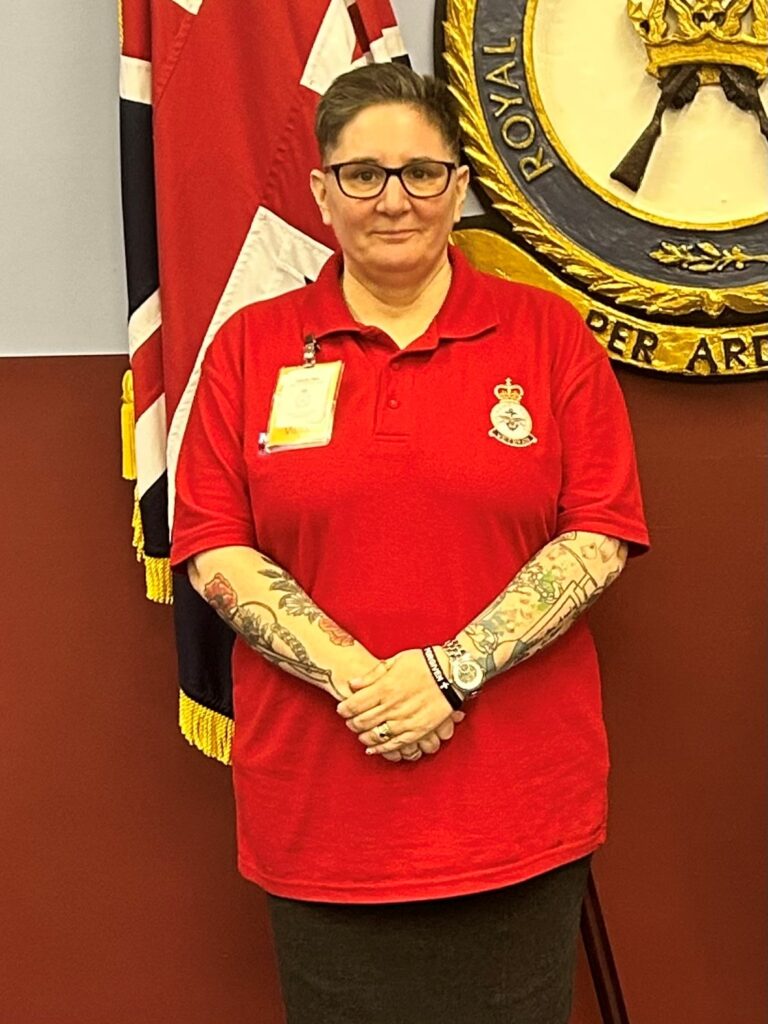
Clinical Nurse Specialist Tracey Slater, who was previously a mental health nurse in the Queen Alexandra’s Royal Naval Nursing Service, said: “Some of the veterans don’t even realise. They think ‘I’ve done a tour of Aghanistan, Bosnia, Ireland, etc, stuff happened, people were killed. It was what I was trained for, I’m going to leave and I won’t be in that situation again’.”
However, previous trauma they have put to the back of their minds can be triggered by new traumas.
It can mean veterans struggle for years, maybe facing problems with their relationships, holding down jobs or substance misuse, gambling, or getting involved in crime.
Tracey, whose husband also served in the Royal Navy, said: “Myself and one of our psychologists run a 16-week veteran stabilisation programme and we have two veterans who co-facilitate that.
“The veterans who attend say it’s absolutely brilliant, it’s helpful to know they are not alone because PTSD can be quite isolating when you’re struggling and you don’t know why you’re struggling.”
John said: “Mental illness isn’t a weakness. Wearing a uniform doesn’t protect you from the normal issues and illnesses of life but they will try to resist it.
“Five per cent of people who leave the military will leave with a mental health problem. A big part of what we do is that transition from military to civilian life.”
As well as mental health support, Op COURAGE can refer veterans to organisations who can help them if they are struggling with issues such as money, housing and social isolation.
As military veterans, Tracey and John feel privileged to have served their country and to also serve their fellow veterans.
Both feel the same camaraderie they had in their previous roles in their current jobs.
Tracey said: “I joined Op COURAGE just over two years ago and for me it was like coming home.
“We just have that camaraderie, regardless of which service we served in.
“If you are a veteran, there’s that instant bond, which a lot of veterans miss when they leave.”
Visit the Op COURAGE page for more information about the service.